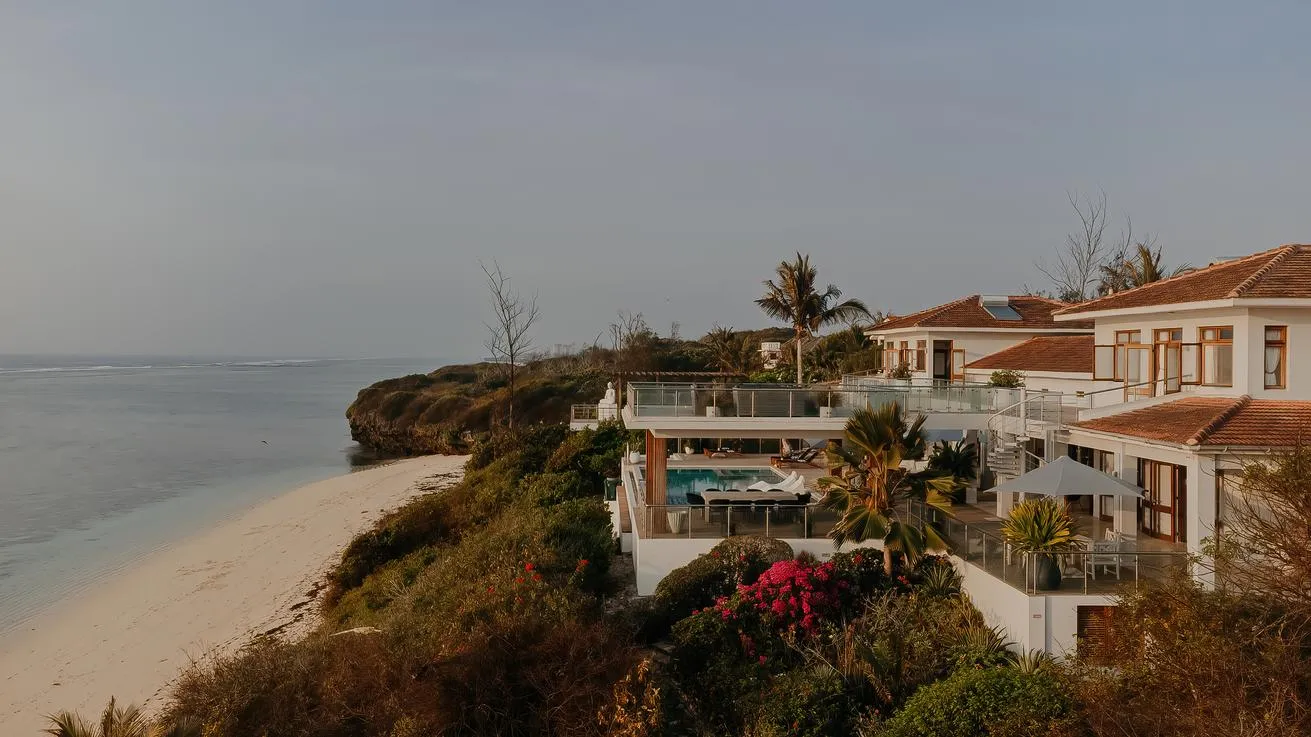
Most hospitality projects start with a brief. A market gap. A spreadsheet. Tribal Dunes started differently — with a question about what a stretch of Kenyan coastline could become if you gave it enough time, enough thought, and enough of a commitment to the people and ecosystem already there.
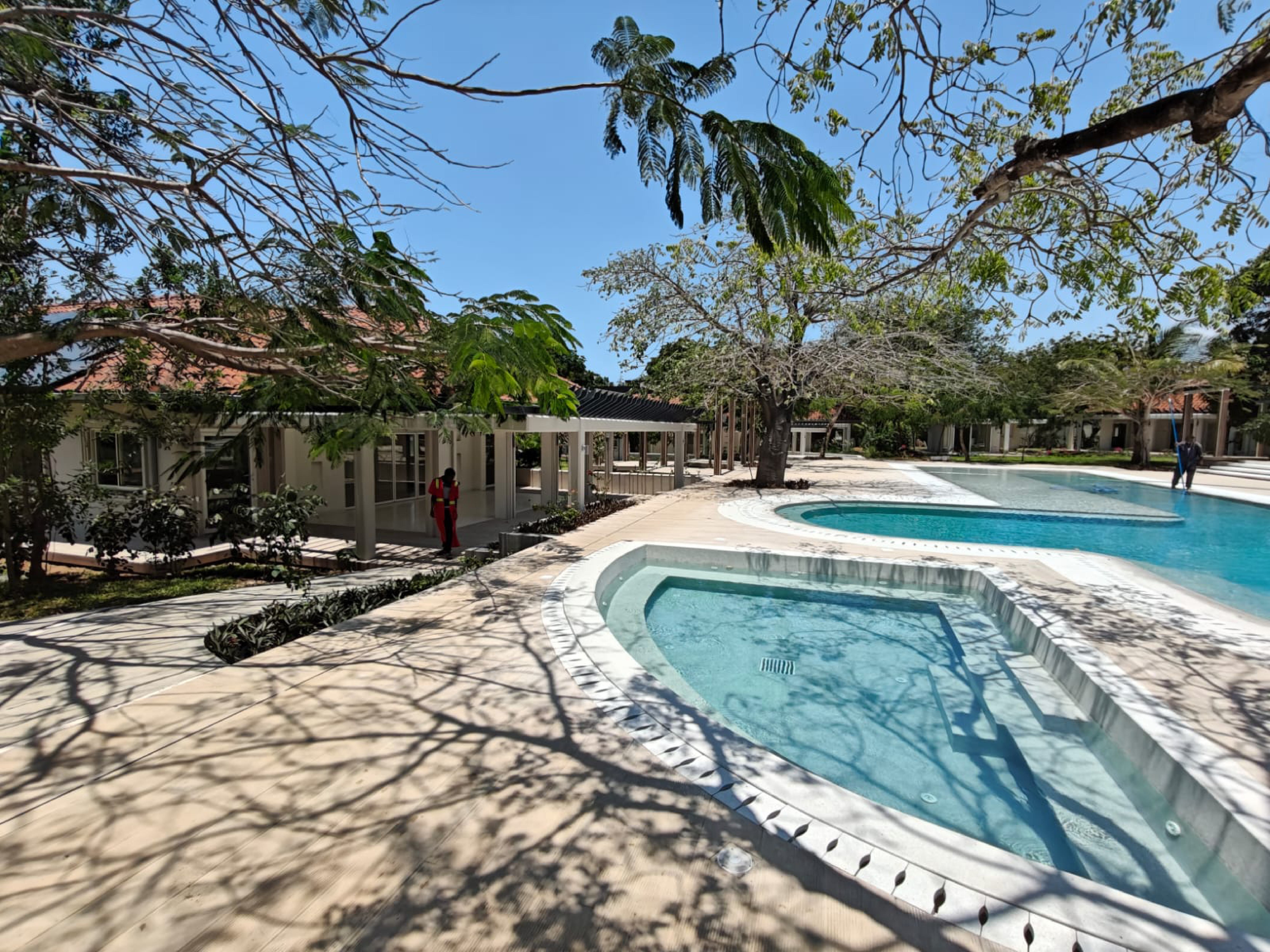
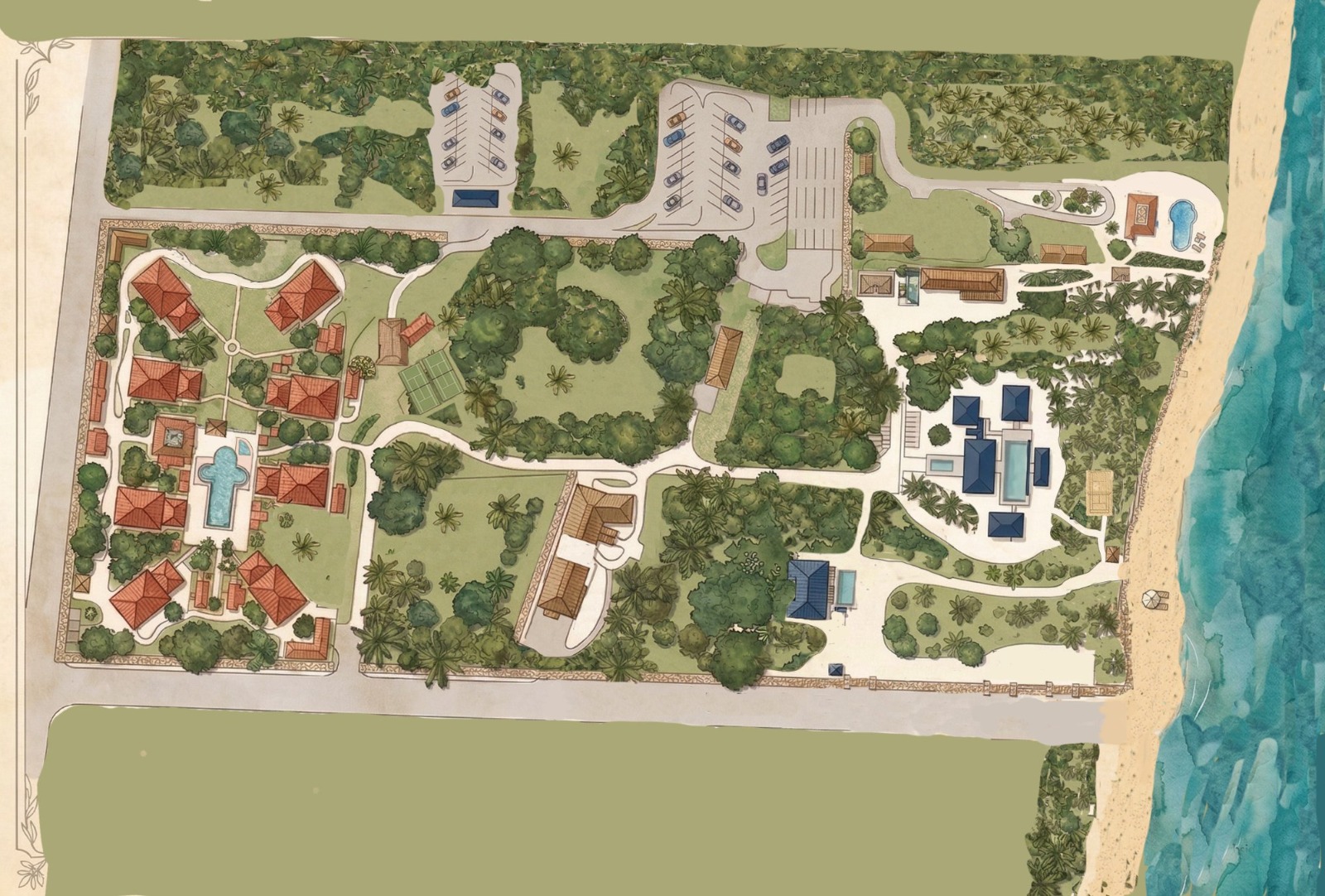
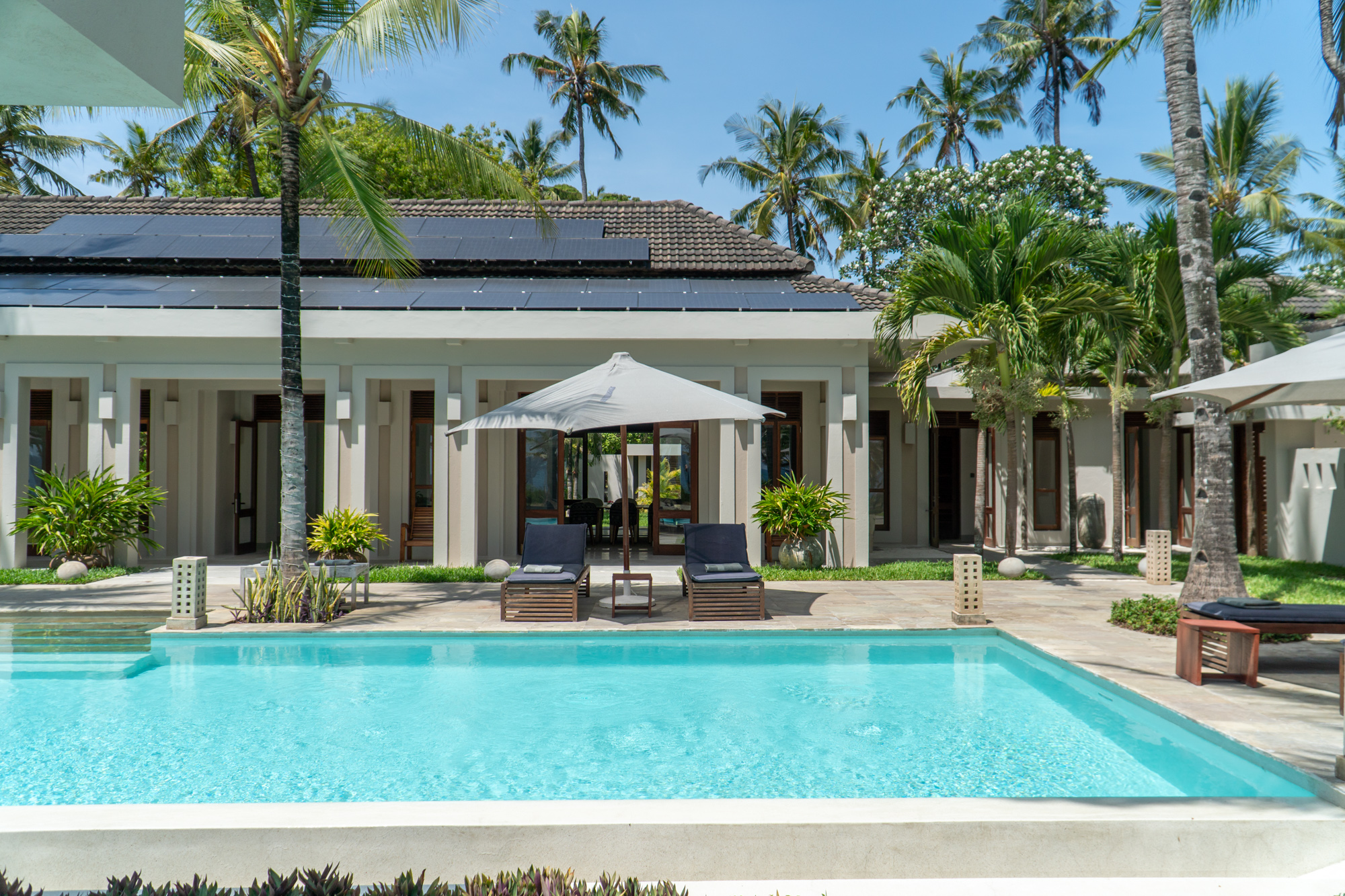
The result is a beachfront property on Bofa Road in Kilifi that operates more like a small coastal town than a hotel complex. On one large plot of land — shared beach, shared values, separate identities — you will find Maya Kobe boutique hotel, the Off Duty coworking hotel, Somewhere Café, Tribal Table restaurant, the Tribal Kite School and the Maya Ilai eco compound. Each one was designed independently. All of them work better because of the others.
This is the story of how Tribal Dunes was built, why it was built the way it was, and what it means for the guests, the community and the coastline that hosts it.
One property.
Many reasons to stay.
Kilifi has always attracted a particular kind of visitor — someone who has already done the big Safari lodges and wants something more alive. A creative. A kitesurfer. Someone building a company remotely and needing a place that matches their pace. Someone who wants to eat well, sleep well and be at the beach before eight in the morning.
The single biggest problem these visitors faced was fragmentation. A good hotel with no interesting food nearby. A good café with nowhere decent to sleep above it. A kite school with no community around it. Tribal Dunes was conceived as a direct answer to that problem: concentrate everything worth having on one piece of coastline and let each part strengthen the others.
"The best hospitality doesn't just give you a room. It gives you a place. Tribal Dunes is our attempt at building that — not as a concept, but as something you can actually walk around in."
— Tribal Sand, KilifiThe word "Tribal" was chosen deliberately, and not as branding shorthand. A tribe is a group of people who share values, a sense of place and a way of moving through the world. The community that has formed around Somewhere Café, the kite school, Off Duty and Tribal Table includes kitesurfers from across Africa, remote workers from Europe, local creatives from Kilifi and Nairobi, and guests who came for a week and stayed for a month. That was the intention.
What lives at
Tribal Dunes
Six distinct operations. One shared plot. Walking distance between all of them. Here is what is actually there.
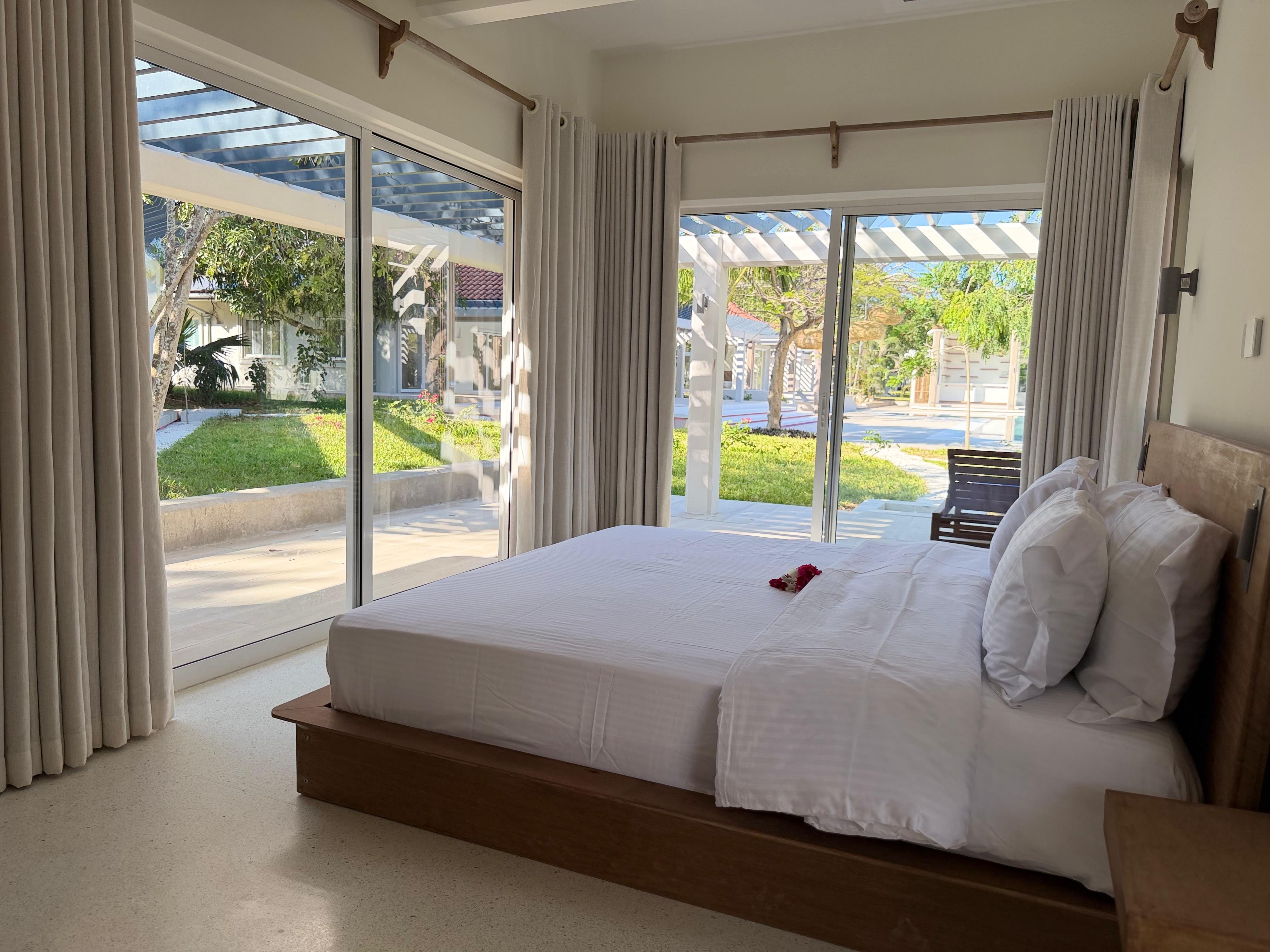
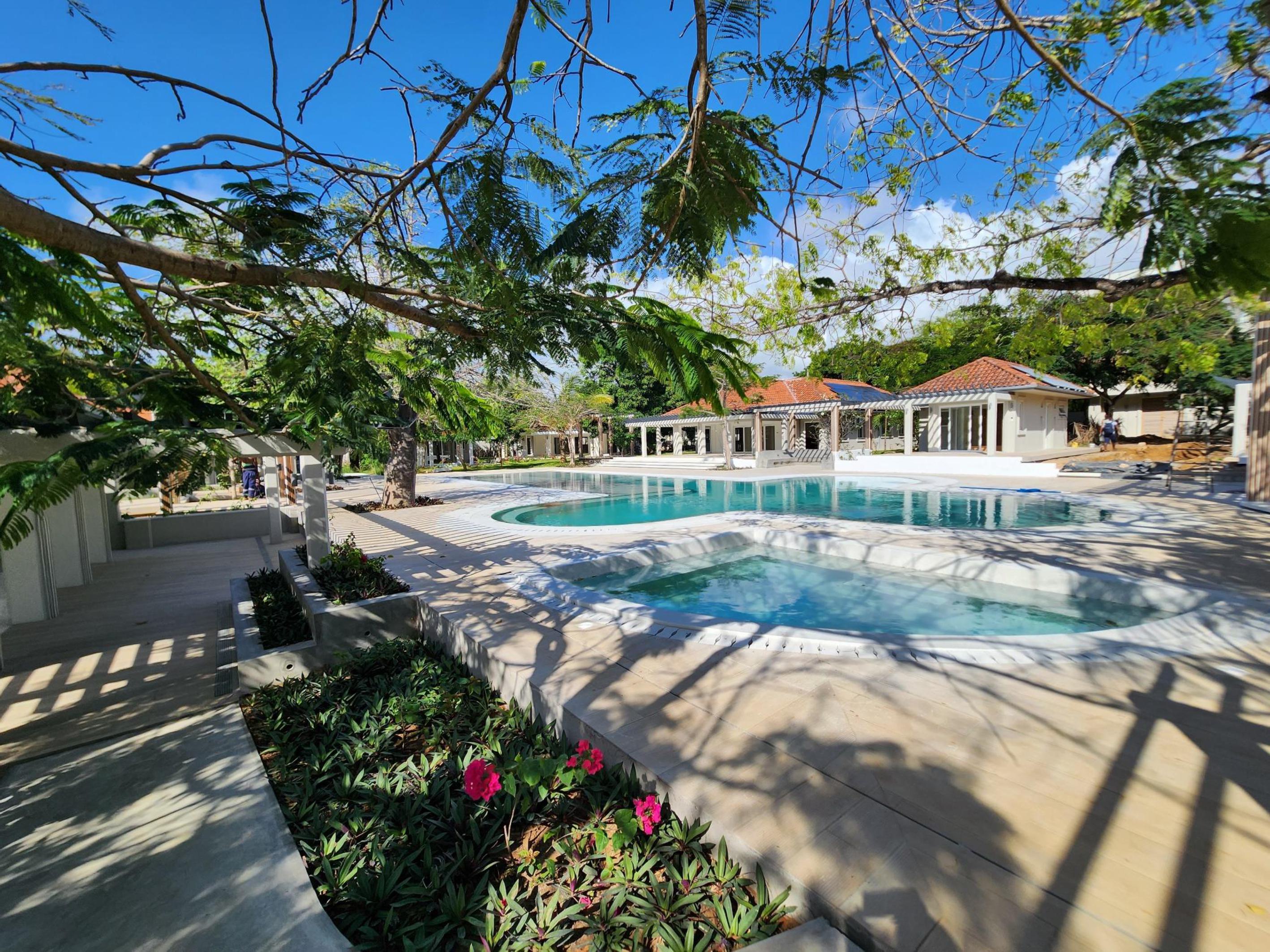
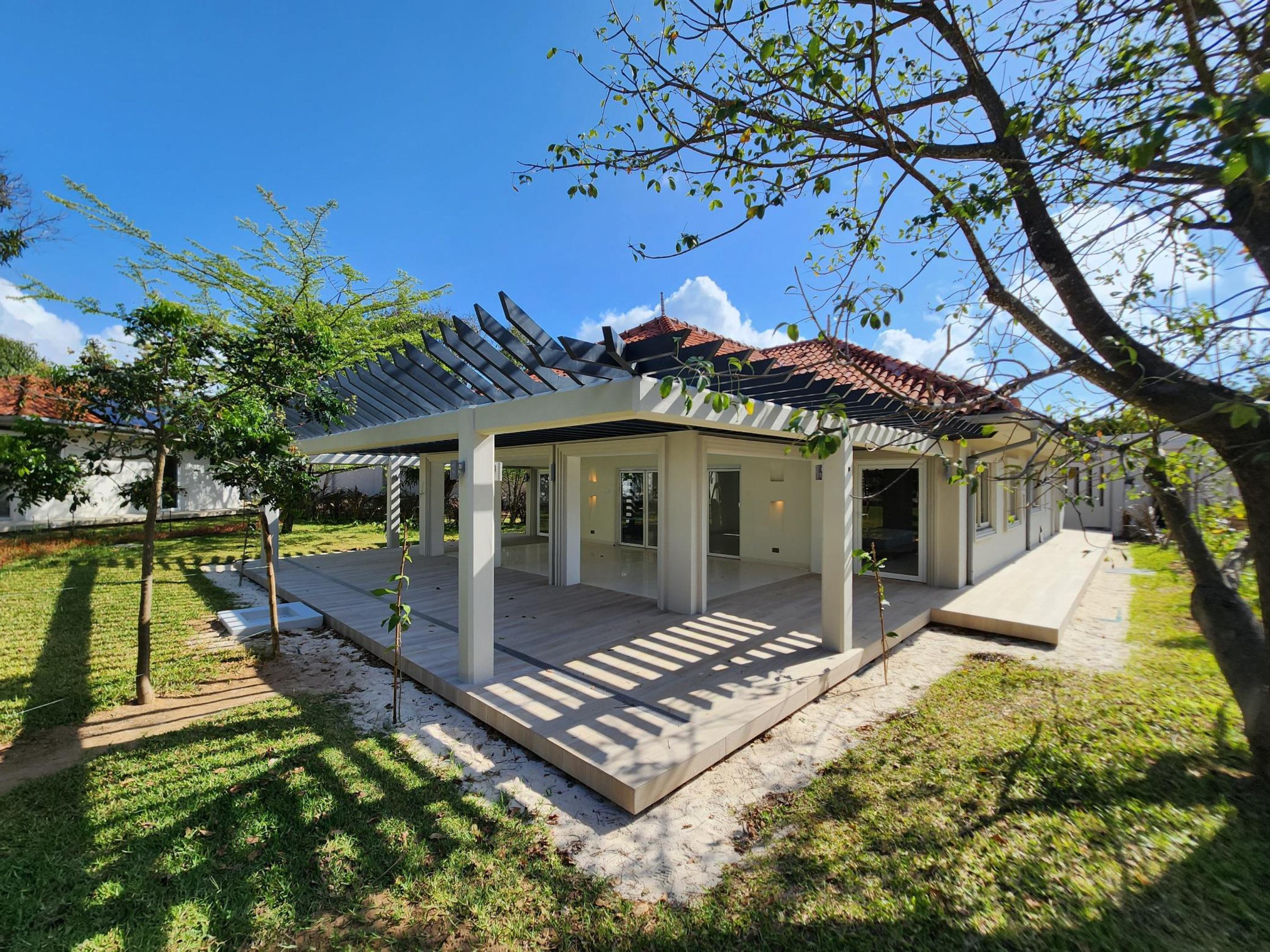
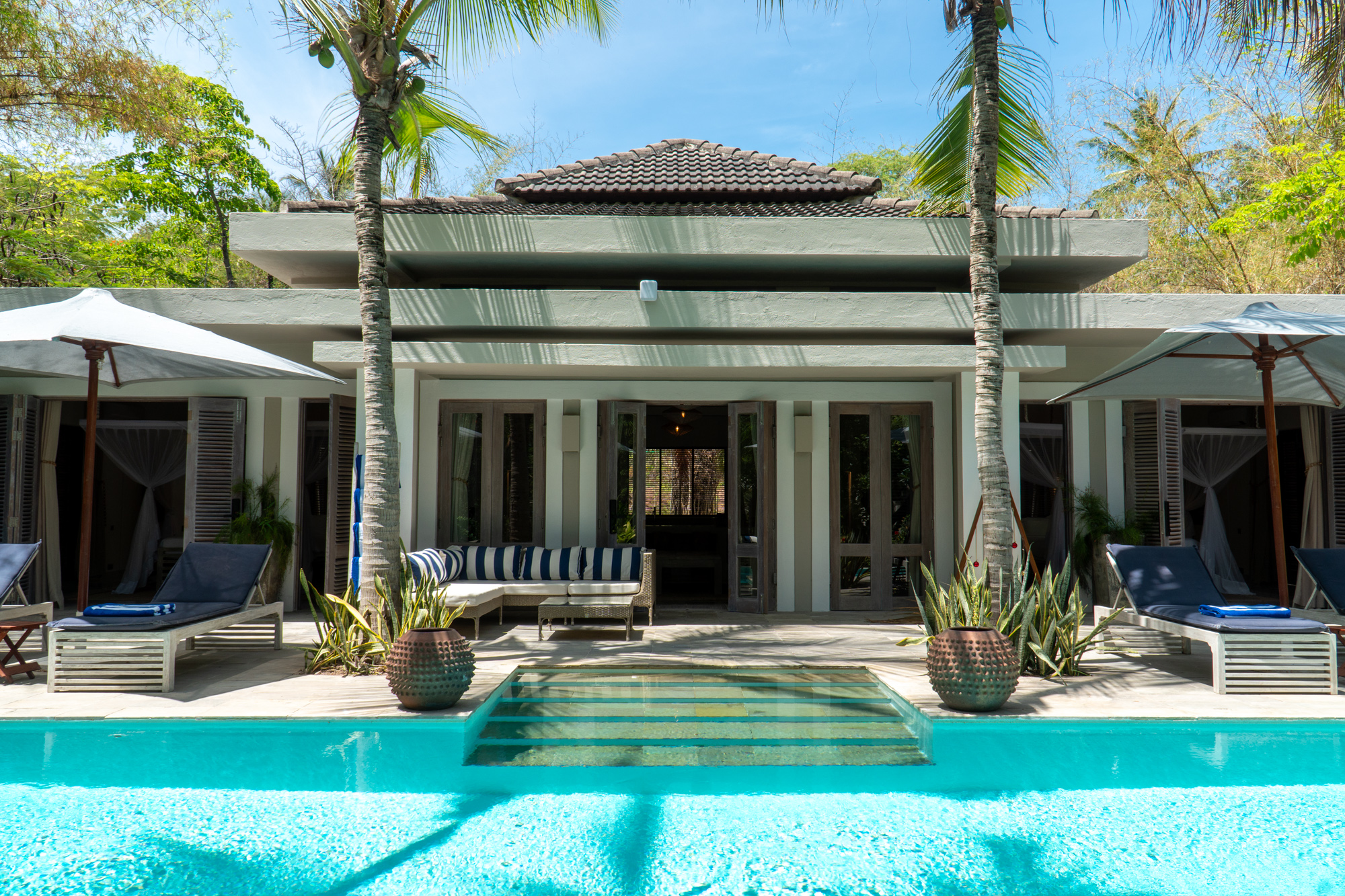
Powered by the sun.
Run on the ocean.
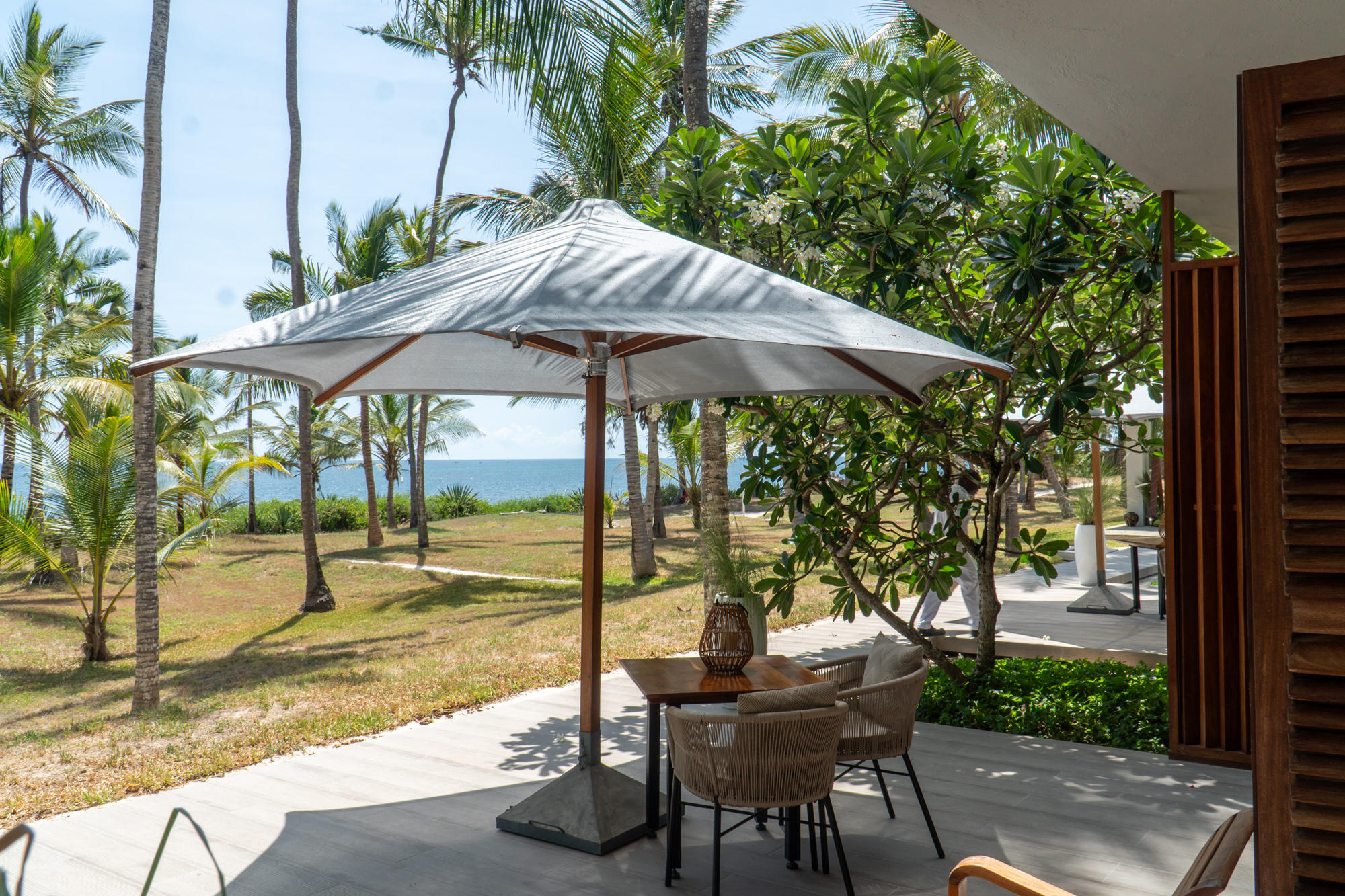
Tribal Dunes is fully solar powered. The desalination system converts seawater into fresh water across the entire site — Maya Kobe, Off Duty, Somewhere Café, Tribal Table, the kite school and Maya Ilai all operate on it. Rainwater is harvested and managed. These are not press release commitments. They are the infrastructure the property runs on every day.
The coral growing garden is a longer-term project — a reef restoration initiative to replant coral along the section of coastline the property shares. It sits alongside the beach cleanup programme and the community education work that the Tribal Sand grounds team runs with local residents.
The things that
actually matter
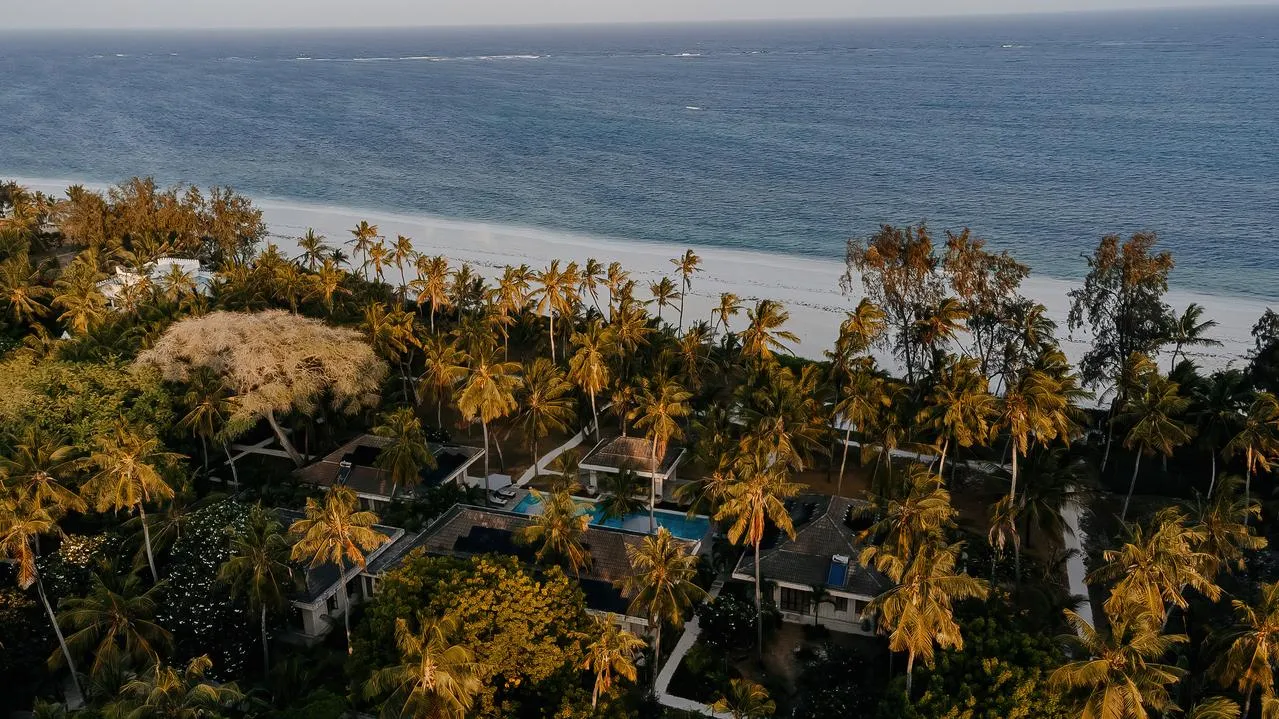
None of this is incidental. It reflects a straightforward position: the coastline is the asset. A hospitality brand that depletes it is working against itself. Infrastructure-led sustainability — building systems that make environmental responsibility the path of least resistance — is a better approach than voluntary pledges that depend on individual behaviour.
It depends on
what you need.
This is one of the more useful things about the Tribal Dunes format: the same property works very differently depending on why you are there.
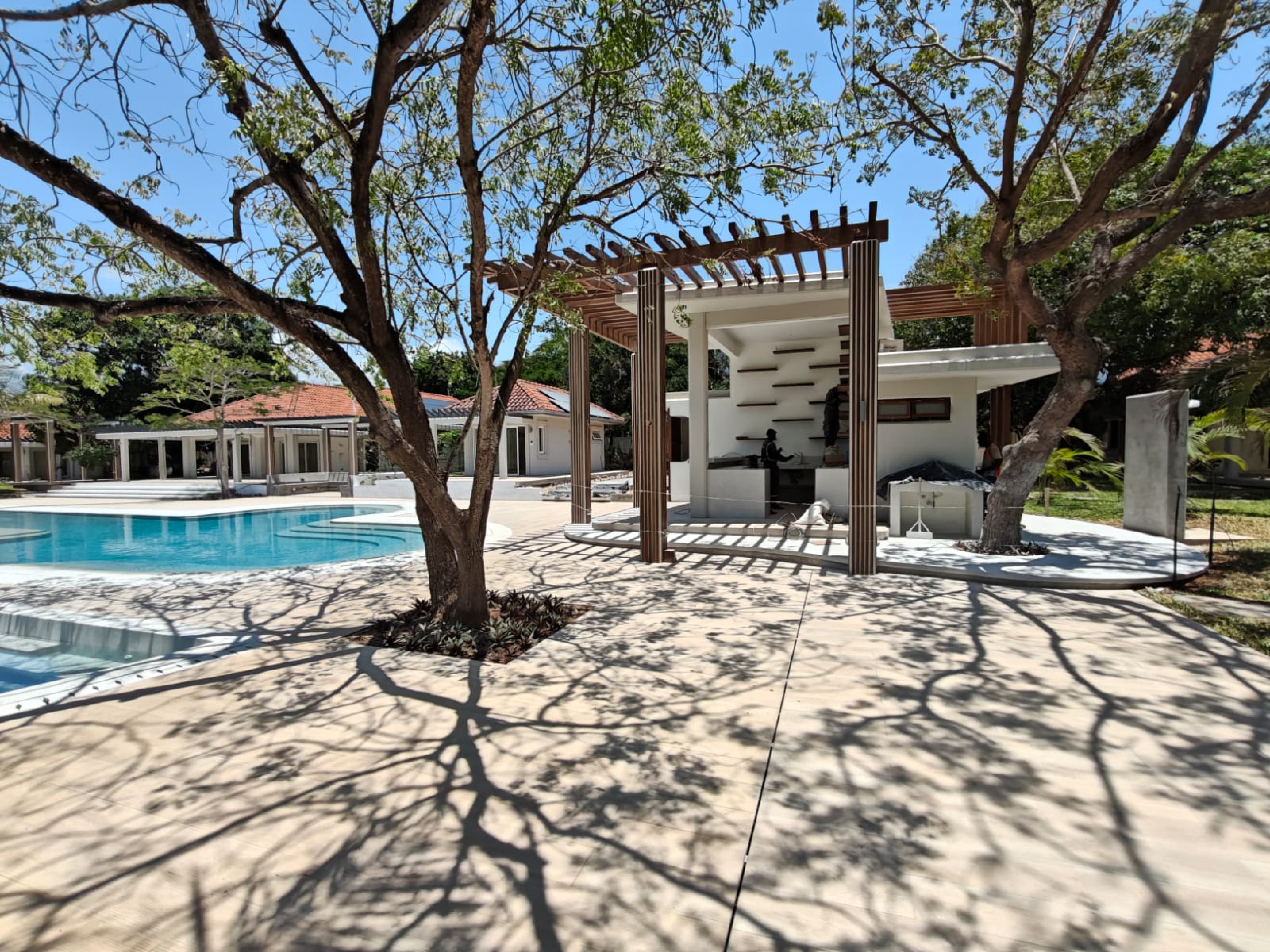
The range is intentional. Tribal Sand's view is that a coastal ecosystem that only serves one type of guest is fragile in the wrong ways — commercially and culturally. Tribal Dunes works because the kitesurfer at Somewhere Café and the honeymooners at Maya Kobe and the team from Nairobi at Maya Ilai are all part of the same place, and they make it more interesting for each other without ever being in each other's way.
Why "Tribal"
is not just a name.
A word that gets used a lot in hospitality branding. It is worth explaining what it actually means here.
Somewhere Café hosts live music. The coworking space at Off Duty is open to non-hotel guests — local entrepreneurs and remote workers in Kilifi use it. The kite school has its own community of instructors, students and returning riders that exists independently of any particular hotel stay. Tribal Table draws diners from across the region who have never stayed at any Tribal Sand property.
What this creates is a place with its own social life — one that guests enter rather than one that is performed for them. That distinction matters. The community was not designed as a hospitality amenity. The hospitality was built around a community that already existed and was worth serving.
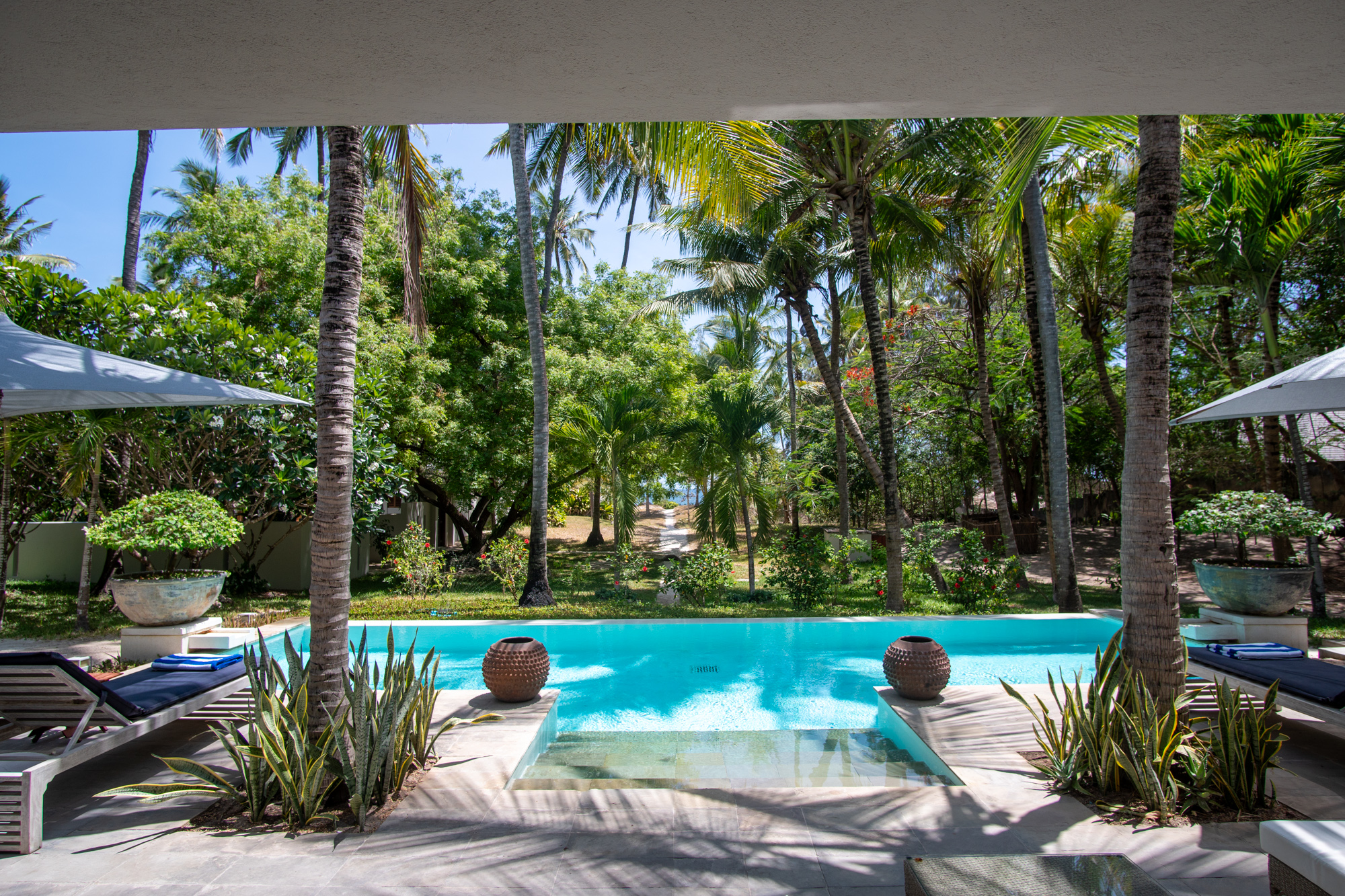
"Your stay is a point of entry into something that extends well beyond check-out."
— Tribal Sand · The PhilosophyThe local dimension of this is not incidental either. The majority of the Tribal Dunes team are from Kilifi. Local produce is sourced where it is available. The beach cleanups involve community members. The community education work on marine conservation is ongoing. These are not CSR programmes attached to the business. They are part of what the business is.
Kenya as it was
meant to be experienced.
Whether you are coming for a week at Maya Kobe, a month at Off Duty or a long weekend at Maya Ilai — your concierge team will handle everything from airport transfer to daily experiences. No payment at enquiry stage.
Plan Your Trip →