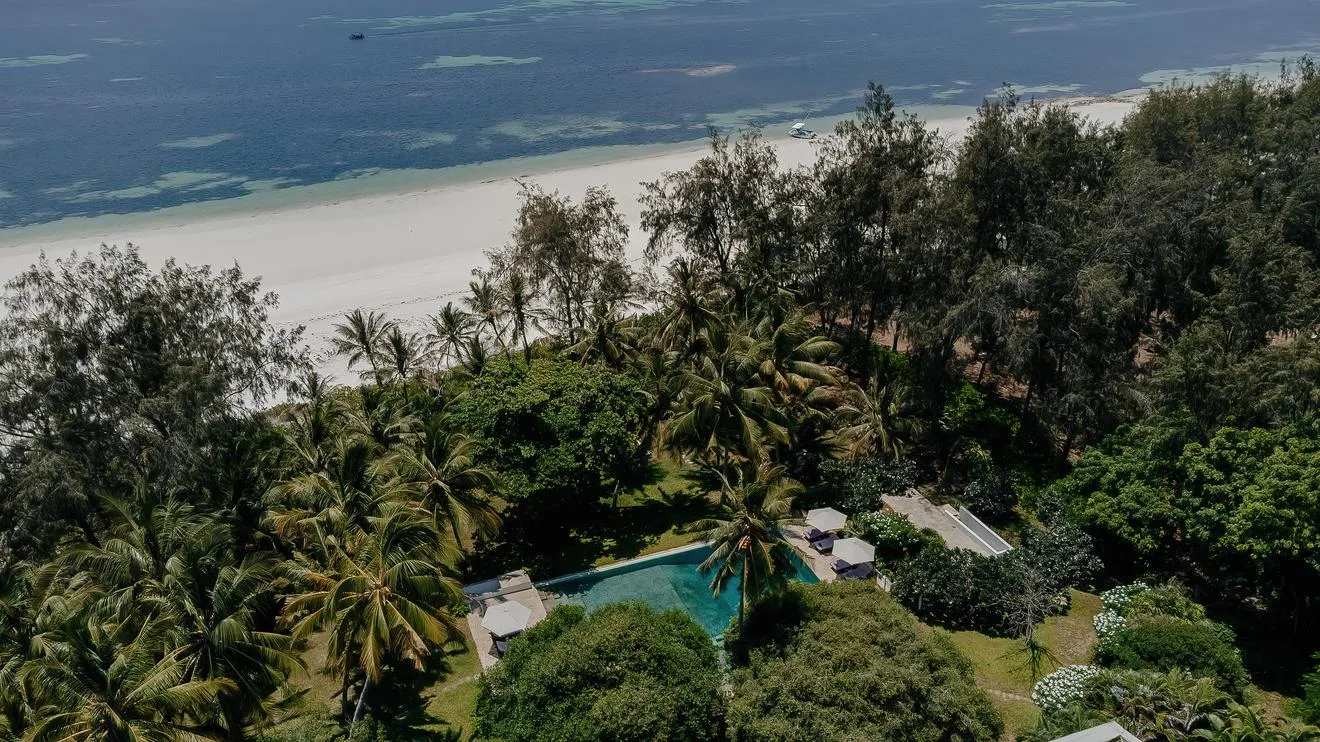
A UNESCO biosphere reserve, a marine national park, and some of the whitest sand on the Indian Ocean — welcome to Watamu.
About Watamu
Where the Ocean Meets the Forest
Watamu is a small beach village on Kenya's North Coast that has, over the decades, quietly become one of Africa's most remarkable natural destinations. It sits at the northern edge of the Watamu Marine National Park — a UNESCO-listed biosphere reserve that protects some of the richest coral reef ecosystems on the planet. The result is a place where you can snorkel with sea turtles in the morning, walk through an ancient indigenous forest in the afternoon, and watch the Indian Ocean turn violet at sunset.
The marine park is the centrepiece of Watamu's appeal. Established in 1968 as Kenya's first marine park, it encompasses 10 sq km of protected ocean containing over 600 species of fish, extensive coral gardens, dolphins, and the seasonal presence of whale sharks (Rhincodon typus) between October and February — one of the most extraordinary wildlife encounters available anywhere on earth. Big Blue Ocean Conservation operates daily snorkelling trips directly from the beach.
On land, Watamu is bordered by the Arabuko-Sokoke Forest — Africa's largest intact fragment of coastal dry forest, home to the critically endangered Sokoke Scops Owl, the golden-rumped elephant shrew, and over 230 species of birds. The forest is 20 minutes by road and a world apart from the beach.
Watamu Village itself is small, characterful and genuinely unhurried: fresh seafood restaurants, the famous Blue Bay beach for kitesurfers, a local turtle sanctuary run by Local Ocean Conservation, and a coastal community that has welcomed travellers for generations. Malindi, with its historic Portuguese fort, Gede ruins and wider restaurant scene, is 20 minutes north. Mombasa International Airport (MBA) is approximately 1.5 hours south — with multiple daily flights from Nairobi taking under one hour.
Where to Stay
Zuri — Watamu's Most Intimate Beachfront Hotel
Watamu Marine National Park
Zuri Boutique Hotel, Watamu
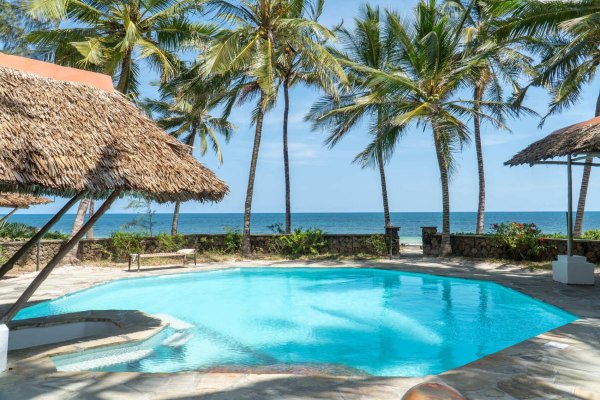
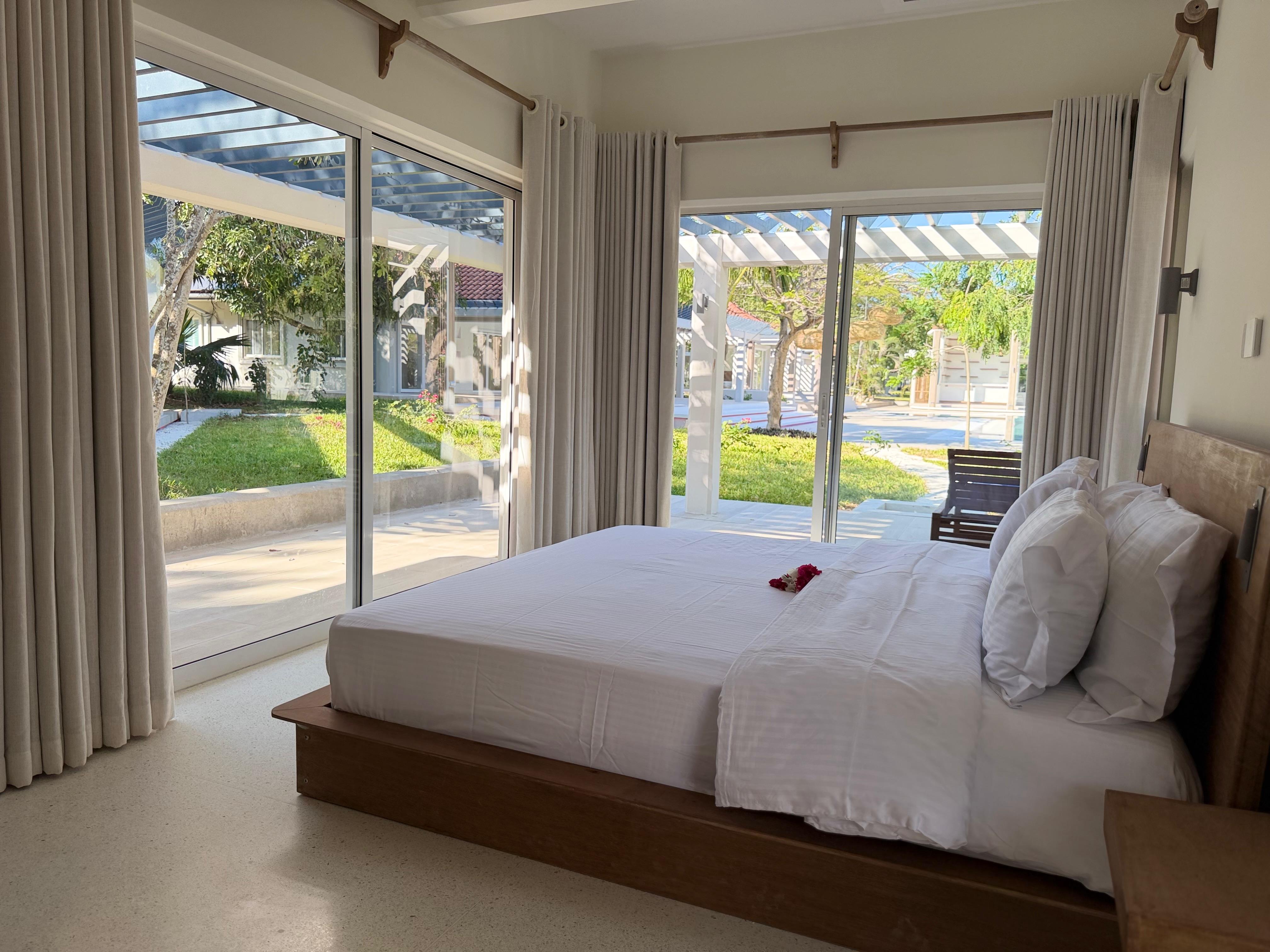
Zuri is Tribal Sand's most intimate property — six ocean-facing suites arranged around a garden and pool, positioned directly on Watamu's beach and inside the marine national park. The name means "beautiful" in Swahili, and the hotel earns it: thoughtful design, exceptional locally-sourced food, and the kind of personalised service that makes guests feel like they are staying at a friend's house rather than a hotel.
Every suite at Zuri has a direct view of the Indian Ocean. The house snorkelling reef is a few minutes' swim from the beach. Sea turtles nest on the beach seasonally. Whale sharks visit the waters just offshore from October to February. This is one of the finest wildlife and beach combinations available anywhere on the East African coast.
The Watamu Marine National Park is one of the world's best accessible snorkelling sites — pristine coral gardens, 600+ fish species, sea turtles and vibrant reef life just minutes from Zuri's beach. Big Blue Ocean Conservation leads guided trips daily.
Whale Shark Season
From October to February, whale sharks aggregate in the waters off Watamu in extraordinary numbers — up to 200 individuals at peak. Swimming alongside the world's largest fish is a bucket-list experience found at very few places on earth.
Dhow Cruise
A traditional wooden dhow cruise along the Watamu and Malindi coastline at sunset is one of the coast's defining experiences — calm water, golden light, dolphins and the rhythm of a sailing tradition that stretches back centuries.
Arabuko-Sokoke Forest
Africa's largest remaining coastal dry forest begins just 20 minutes from Zuri. Guided forest walks reveal endangered birds, elephant shrews, and a biodiversity that rivals the coral reef — making Watamu one of the world's rare dual nature destinations.
Deep-Sea Fishing
The waters off Watamu are among East Africa's richest for offshore game fishing — marlin, sailfish, wahoo and yellowfin tuna are regularly caught. Full and half-day fishing charters can be arranged from Watamu or Malindi.
Kitesurfing at Blue Bay
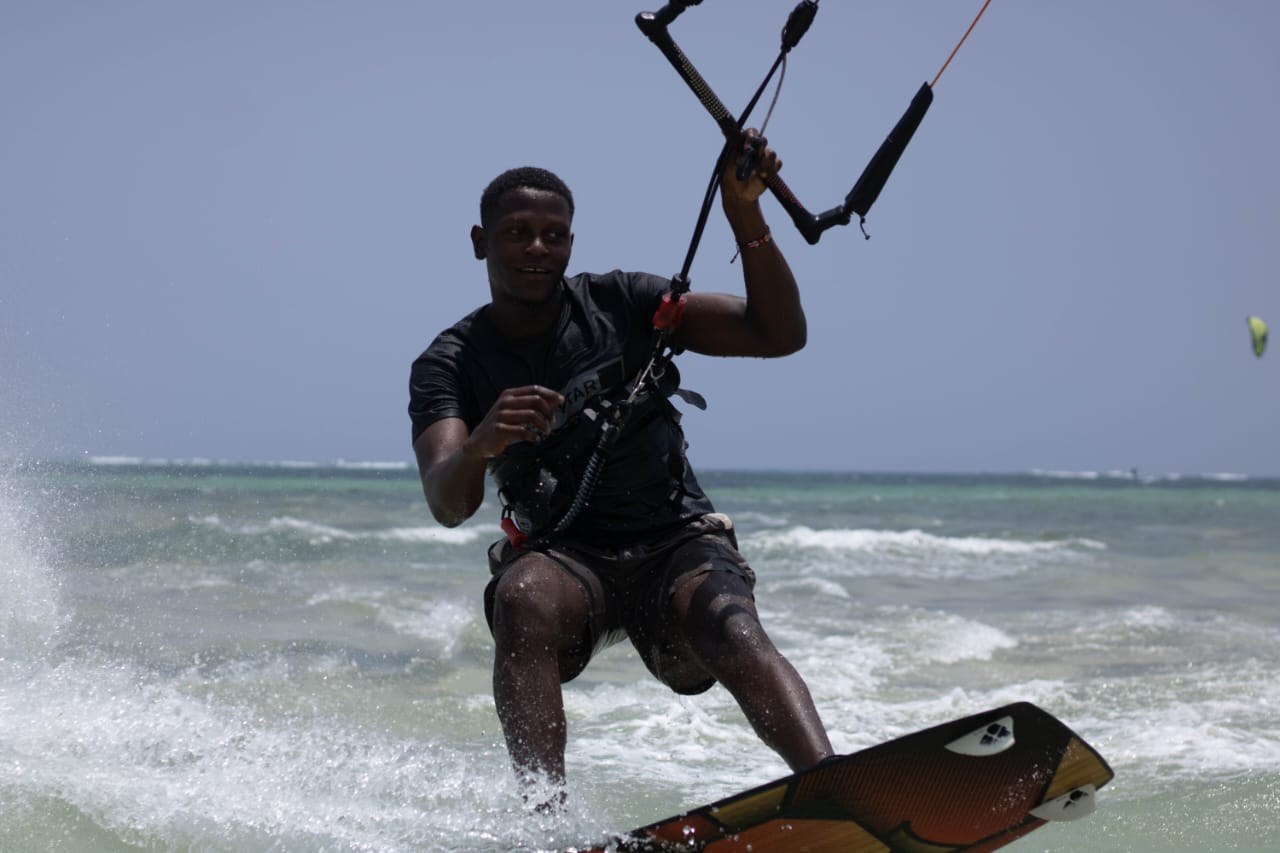
Watamu's Blue Bay is a dedicated kite beach with reliable south-easterly winds June through October and a flat-water lagoon ideal for beginners. A BKSA-certified school operates from the beach throughout the kite season.
FAQs
Frequently Asked Questions
Zuri is widely regarded as Watamu's most intimate and beautifully positioned beachfront boutique hotel. Six ocean-facing suites with direct beach access, inside the Watamu Marine National Park, with exceptional personalised service and some of the finest food on the coast. Owned and operated by Tribal Sand.
Yes — Watamu is a relaxed and welcoming beach village with a long-established international tourism community and an excellent safety record. The village is small, friendly and well-oriented towards visitors. As with any destination, standard travel precautions apply: secure your valuables, use registered transport and follow local guidance. Our team at Tribal Sand is always happy to advise on the current situation.
Watamu is internationally known for its marine national park (one of Africa's best snorkelling sites), its turtle nesting beaches (protected by Local Ocean Conservation), its seasonal whale shark aggregation (October to February), and the adjacent Arabuko-Sokoke Forest. It is also famous for the Blue Bay kite beach, deep-sea fishing out of Malindi, and the archaeological ruins at Gede, 10 minutes inland. It was designated a UNESCO Biosphere Reserve in 1979.
The best time for beach and snorkelling is June to October — the long dry season brings calm seas, clear underwater visibility and reliable sunshine. November to February is the peak season for whale sharks, making it one of the world's best wildlife encounters if that is on your list. December and January are popular family holiday months with warm, dry conditions. March to May is the long rainy season; November can have short rains but the coast often stays sunny.
Ready to Visit
Book Your Watamu Stay
Six ocean-facing suites, direct beach access and some of the world's best snorkelling on your doorstep. Availability at Zuri is limited — book early.
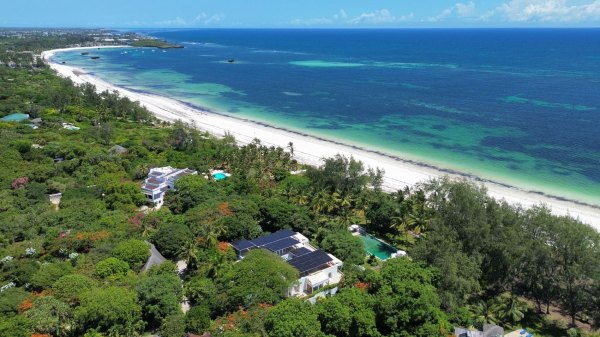
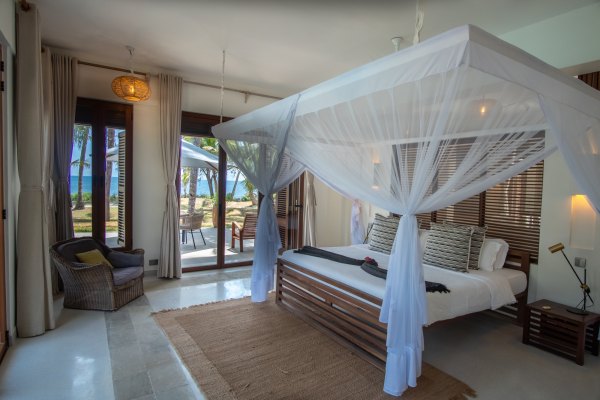
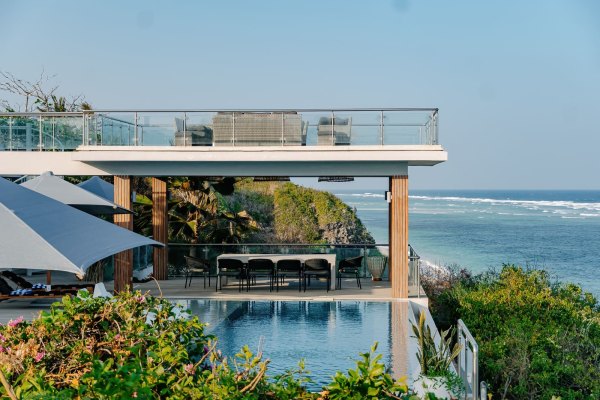
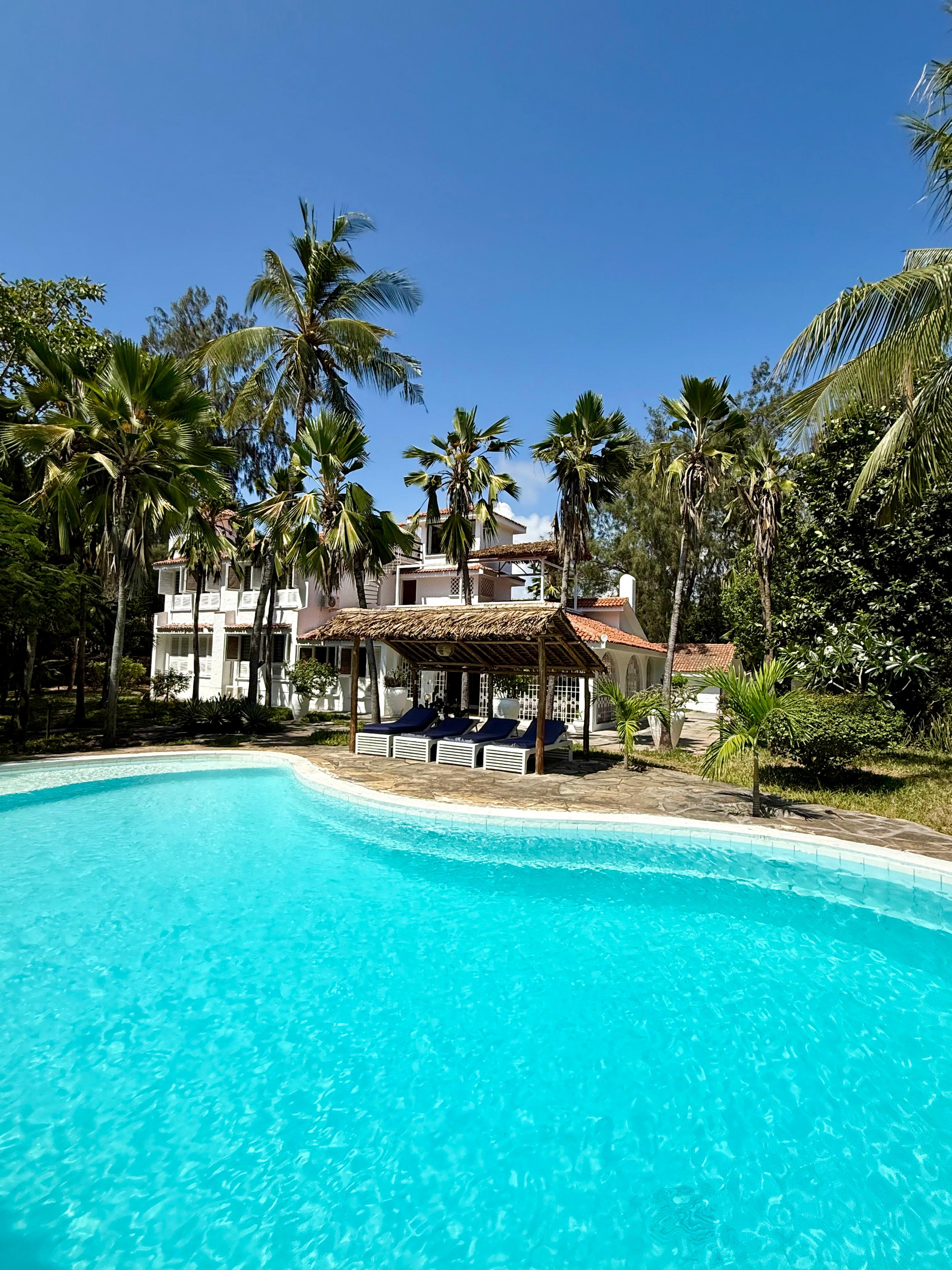
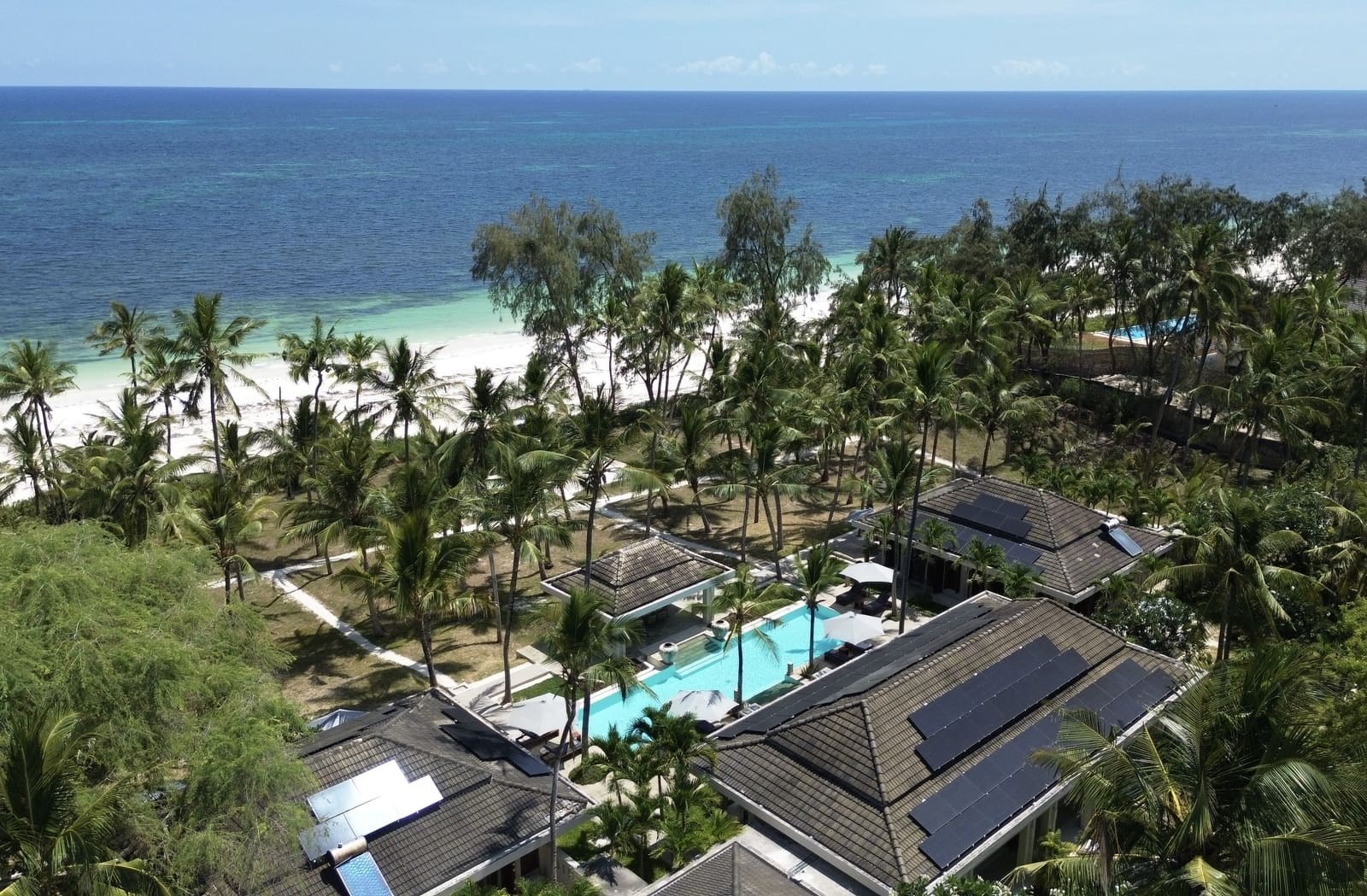 Maya KobeBoutique Hotel · Kilifi
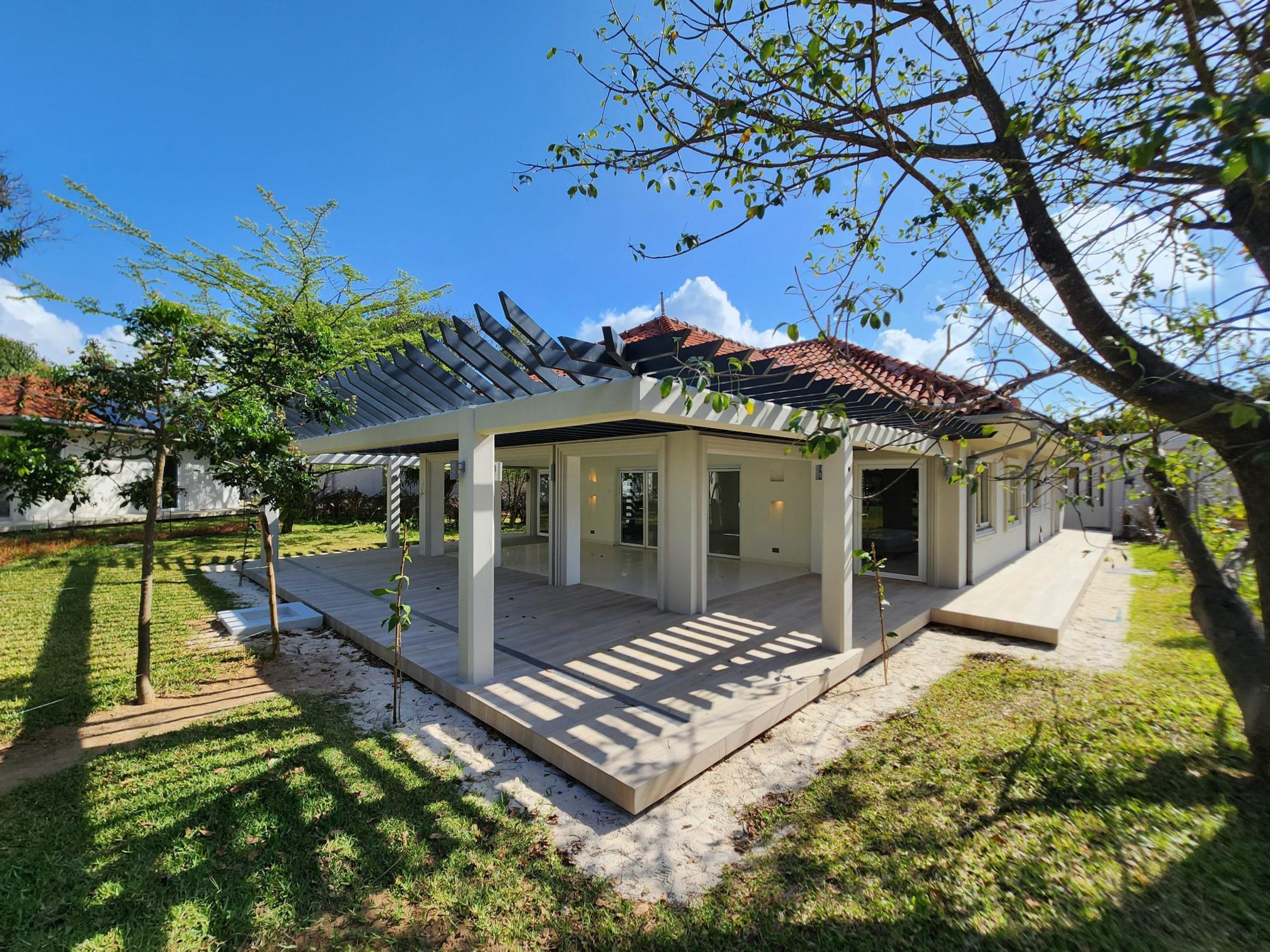 Maya IlaiEco Compound · Kilifi
 Off DutyCoworking Hotel · Kilifi
 Tribal TableRestaurant & Bar · Kilifi
 Somewhere CaféBeachfront Café · Kilifi
 Tribal GymComing Soon · Kilifi
 Kite & Watersport SchoolOcean Sports · Kilifi